
How to Humanize AI Writing: Practical Strategies for 2026

Summary
Introduction: Why AI Writing Still Needs Humanization
AI can help you draft faster, organize ideas, and speed up routine writing tasks. That is the easy part. The harder part is making the final text sound like something a real person would actually say, publish, or send.
A raw AI draft often gets the basic meaning right, but the writing can still feel flat, overly even, too generic, or slightly disconnected from the audience. That is where humanization matters. The goal is not to completely reinvent the draft. It is to improve tone, flow, rhythm, clarity, and voice so the content feels more natural and more usable.
In this guide, we focus on practical humanization strategies for real publishing situations, especially blog posts, emails, SEO content, and social media writing.
Why AI Writing Often Sounds Unnatural
1. It relies on familiar phrasing
AI usually defaults to high-probability wording. That means the draft may be technically clear, but it often sounds predictable. You see the same transitions, similar sentence shapes, and safe wording repeated across sections.
2. Tone can drift without warning
A draft may start conversational, then suddenly sound formal, stiff, or overly polished. This happens because AI can produce readable sentences without maintaining a stable voice across the full piece.
3. It explains, but does not always connect
AI is good at producing information. It is less reliable at producing writing that feels grounded, specific, and audience-aware. A draft can be correct on the surface and still feel emotionally flat or contextually weak.
Raw AI Draft vs Humanized AI Draft
Aspect | Raw AI Draft | Humanized AI Draft |
|---|---|---|
Tone | Often generic or inconsistent | Clear, controlled, and audience-aware |
Sentence Rhythm | Too even or repetitive | More natural variation in length and pacing |
Transitions | Functional but formulaic | Smoother and more purposeful |
Specificity | Tends to stay broad | Adds detail, emphasis, and clearer intent |
Readability | Understandable but stiff | Easier to follow and more pleasant to read |
Voice | Sounds machine-assisted | Feels more like a real person wrote or finished it |
Core Strategies to Humanize AI Writing
1. Fix tone before you fix wording
A lot of people start by changing random phrases. That is usually the wrong order. First decide how the piece should sound.
Ask:
Should this sound conversational, expert, warm, practical, or polished?
Who is the reader?
What would feel too stiff for this format?
Once the tone is clear, line editing becomes much easier. This is also where consistency matters most. If you want to go deeper on that, see How to Keep Tone Consistent in AI-Generated Writing.
2. Improve readability without flattening the message
Many AI drafts are readable in a basic sense, but they are still tiring to read. The problem is usually not grammar. It is pacing, paragraph shape, repetition, and lack of contrast.
To improve readability:
shorten heavy paragraphs
vary sentence length
cut repeated setup phrases
replace vague filler with clearer wording
keep transitions natural, not mechanical
The goal is not to oversimplify everything. It is to make the writing easier to move through without stripping away meaning. For a deeper version of this angle, link to How to Improve Readability in AI Writing Without Making It Too Simple.
3. Humanize structure, not just vocabulary
This is one of the biggest mistakes in AI editing. Swapping a few words or adding casual phrases does not automatically make the draft sound human. If the structure stays rigid, the writing will still feel machine-made.
Real improvement usually comes from structural editing:
combine or split sentences differently
change paragraph order when needed
remove repetitive framing
lead with the strongest point earlier
make transitions feel less templated
That is also why humanizing is not the same thing as simple paraphrasing. If you want that distinction explained clearly, this is where Humanizing AI Writing vs Paraphrasing: What’s the Difference? fits naturally.
4. Preserve voice and avoid over-editing
You do not want the text to sound robotic. But you also do not want it to sound strangely rewritten, overworked, or artificially “humanized.”
That usually happens when people push too hard:
too many forced contractions
too many personal-sounding phrases
unnecessary jokes or emotional lines
unnatural sentence variation for the sake of variation
A better approach is to keep the draft recognizable while improving the weak parts. Usually those weak parts are intros, transitions, generic claims, and flat summary lines. For that angle, this pillar should point naturally to How to Humanize AI Writing Without Making It Sound Over-Edited and How to Humanize AI Writing for Blog Posts Without Losing Voice.
5. Adapt the writing to the format
Humanization is not one-size-fits-all. The same draft should be edited differently depending on where it will appear.
Blog posts
Blog writing usually needs stronger flow, clearer transitions, and more voice. The content should feel helpful, not mechanically complete.
Emails
Email writing needs more control. It should sound human and clear, but still professional. This is where over-editing can hurt trust. That is the natural bridge to How to Make AI Emails Sound Human Without Losing Professionalism.
SEO content
SEO writing needs natural language, but it also needs structure and clarity. The goal is not just sounding more human. It is producing content people can actually read, stay on, and trust. That is where humanize-ai-content-seo belongs.
Social media
Social posts need faster rhythm, less buildup, and stronger natural phrasing. They usually need a lighter touch than long-form content. Your existing social media cluster fits here well.
Where an AI Humanizer Fits in the Workflow
An AI humanizer is most useful after the first draft, not before. It works best when you already know the message and want to improve how the writing sounds.
A practical workflow looks like this:
create the first draft
identify where the text feels flat, repetitive, or too polished
use a humanizer or manual editing pass to improve tone, flow, and structure
review the result for meaning, accuracy, and voice
If you want the product workflow page connected, this is the one place where a single link to How to Use GPTHumanizer AI makes sense.
Common Use Cases for Humanizing AI Writing
Blog publishing
A blog draft may already have the right information, but still feel too uniform. Humanization helps make the article sound more natural and more aligned with the brand voice.
Email polishing
An email may say the right thing but still sound too cold, too stiff, or too generic. A lighter humanization pass usually improves tone without making it sound informal.
SEO content refresh
Older AI-assisted articles often need better flow, less repetition, and clearer intent. Humanization can improve how the content reads without requiring a full rewrite.
Social content adaptation
A long AI draft rarely works as-is for social. Humanization helps compress the message, sharpen the rhythm, and make the copy feel more native to the platform.
What Humanizing AI Writing Does Not Do
Humanizing improves tone, readability, flow, and voice. It does not solve everything.
It does not:
fact-check your claims
guarantee that every sentence is strong
replace final human review
remove the need for judgment in academic, editorial, or professional work
That is why the final pass still matters. The best version is rarely the untouched AI draft, but it is also rarely the first rewrite.
Conclusion
The best AI writing does not sound “AI-generated but cleaned up.” It sounds natural enough that readers can focus on the message instead of the pattern behind it.
That is the real goal of humanization. Not gimmicks. Not forced personality. Just clearer, more natural, more audience-aware writing that feels ready to publish.
If a draft already has the right ideas, you usually do not need to rewrite everything. You just need to fix tone, improve structure, preserve voice, and make the writing flow like a real person finished it.
FAQ
What does it mean to humanize AI writing?
It means editing AI-generated text so it sounds more natural, readable, and audience-aware. The main improvements usually happen in tone, flow, structure, and voice.
How is humanizing different from paraphrasing?
Paraphrasing mainly changes wording. Humanizing usually goes further by improving structure, rhythm, tone, and readability so the draft feels less mechanical.
How do I humanize AI writing without over-editing it?
Start by fixing tone, repetition, and weak transitions first. Do not force personality into every sentence. Usually the best results come from targeted editing, not aggressive rewriting.
How do I keep tone consistent in a long AI draft?
Decide on the tone before you edit line by line. Then review the full piece for places where the voice shifts, especially intros, subheadings, transitions, and conclusions.
Can AI writing still need manual review after humanization?
Yes. Humanization improves how the writing sounds, but you still need to review accuracy, clarity, emphasis, and fit for the final use case.

Related Articles
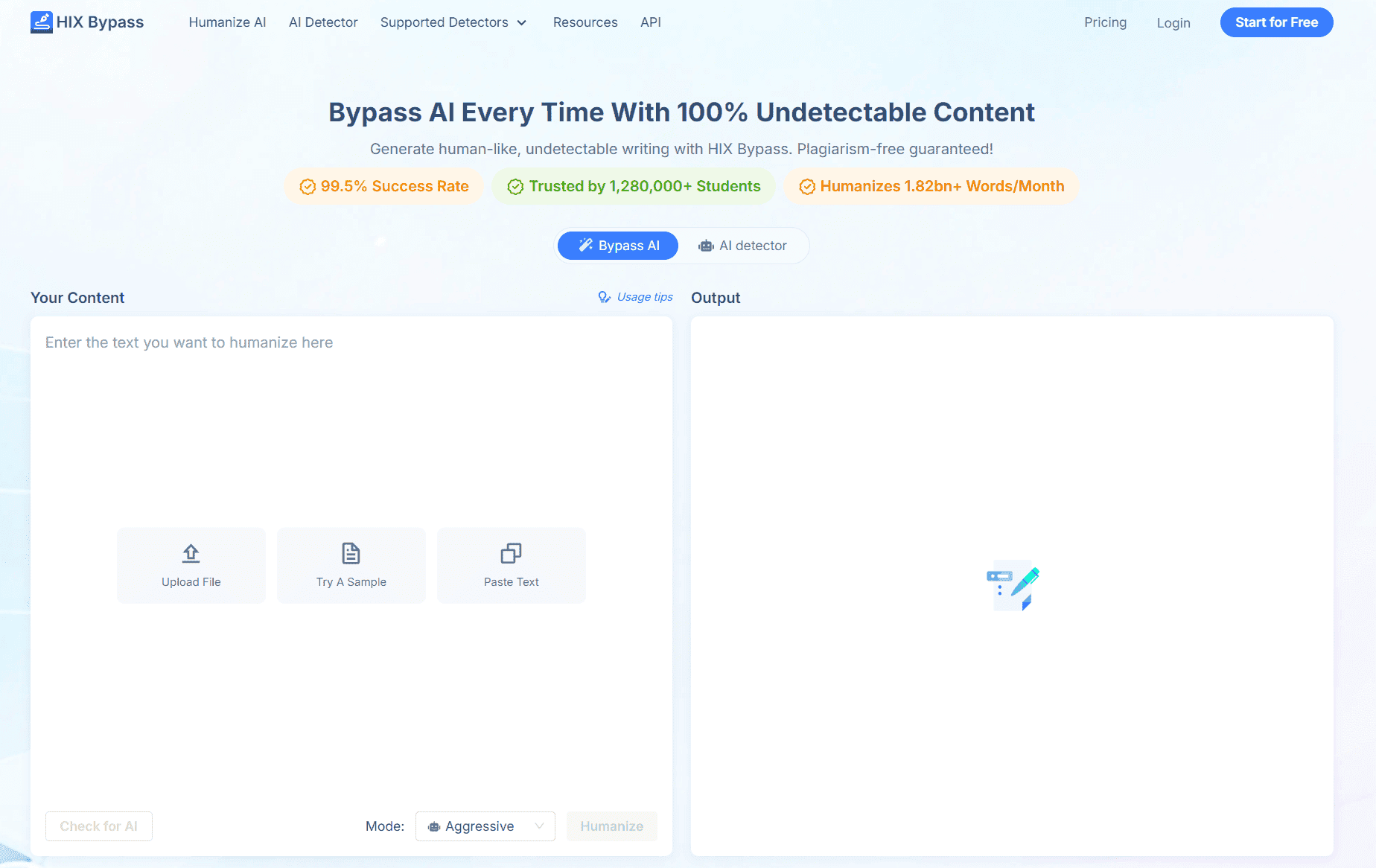
HIX Bypass Pricing Explained: Is It Worth Paying For in 2026?
A practical look at HIX Bypass pricing, paid-plan value, word limits, refund terms, and whether it i...
 Ethan Miller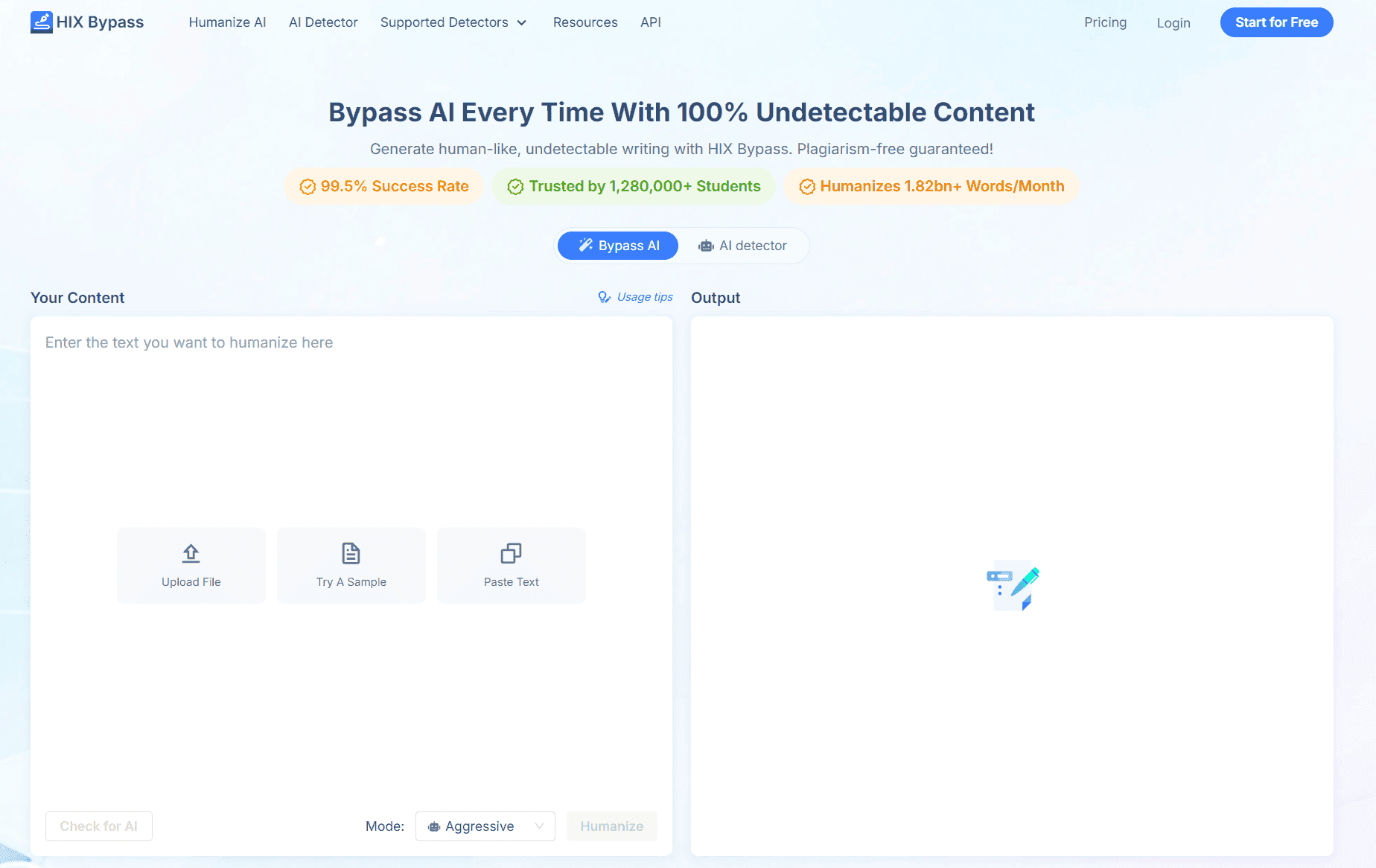
Does Hixbypas Work in 2026? Fast, and Aggressive Modes Tested
Does Hixbypas, or HIX Bypass, actually work? I tested Fast and Aggressive modes to compare rewrite q...
Ethan Miller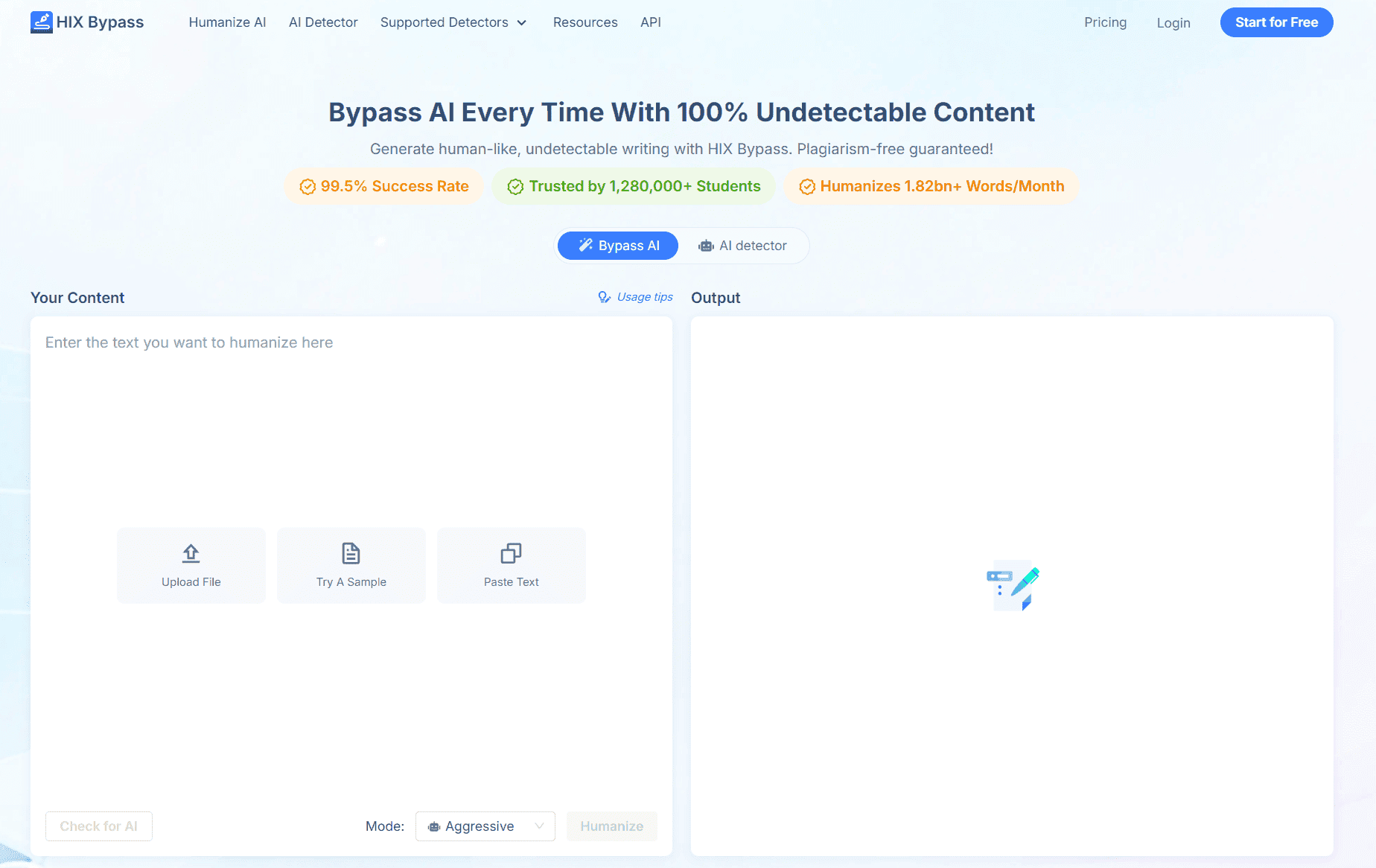
Best HIX Bypass Alternative: Free, No-Sign-Up AI Humanizer Compared
Looking for a HIX Bypass alternative? Compare HIX Bypass with GPTHumanizer for free access, no-sign-...
Ethan Miller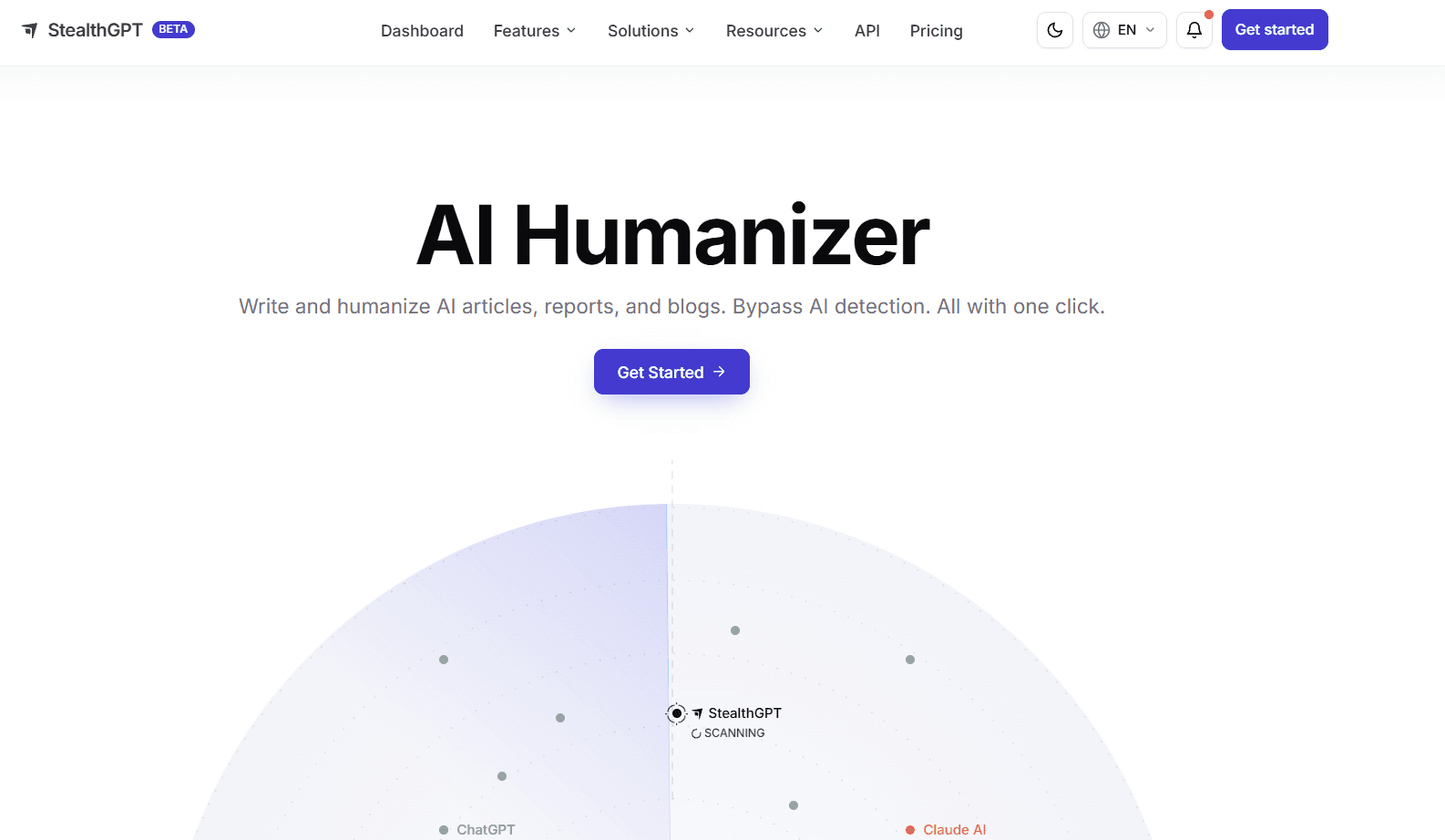
StealthGPT AI Review 2026: Features, Pricing, Output Quality, and Alternatives
I reviewed StealthGPT AI across pricing, features, rewrite quality, and real writing use cases. See ...
Ethan Miller